The Connection Between Nutrition and Your Mood

If you’ve ever felt low on energy, unfocused, or a little irritable for no obvious reason, what you ate that day might have had something to do with it. Let’s look at a few foods and their benefits for our mood, as well as how to make changes without feeling like you're missing out on good food.
Making changes toward healthier eating starts small and slow! Don’t try to change everything at once. Small changes add up over time. Try adding a fruit or vegetable to a meal you already eat. Switch to whole grain or drink an extra glass of water each day. Tiny changes are easier to stick with than big overhauls.
Tips for Sustainable Nutrition Habits
Focus on Adding, Not Cutting
Instead of thinking about what to “give up,” think about what to include for a healthier lifestyle. When meals are more balanced, cravings naturally calm down.
- Add protein to snacks (apple + peanut butter)
- Add healthy fats (avocado, nuts, seeds)
- Add fiber (whole grains, beans, veggies)
Eat Regularly
Skipping meals often leads to low energy and overeating later. Aim for regular meals and snacks. Pair protein + carbs + fat when you can. This helps keep blood sugar—and mood—more stable.?
Keep It Convenient
Healthy eating is much easier when food is easy to grab. Convenience matters more than motivation.
- Keep washed fruit visible Stock simple snacks (yogurt, nuts, hummus, granola bars)
- Choose frozen fruits and veggies—they’re quick and just as nutritious
- Keep a healthy snack in your bag or car for on-the-go convenience

Plan a Little at a Time
You don’t need a full meal plan—just a rough idea. Less decision-making helps you make better choices in the moment. Remember to be flexible, not perfect. Healthy eating isn’t all-or-nothing.
- Decide on one or two meals for the week
- Prep basics (cook rice, roast veggies, boil eggs)
- Have an easy “backup meal” for busy days
Enjoy treats without guilt; one meal doesn’t define your habits!
Progress Over Perfection
Consistency matters more than eating “perfectly.” Pay attention to how food makes you feel. Notice patterns instead of rules. Which meals give you steady energy? Which ones leave you tired or irritable? Let your body’s feedback guide your choices.
What Food to Eat and Why
Happy Brain Chemicals
Your brain uses protein to make feel-good chemicals like serotonin and dopamine (aka your “happy” and “motivation” messengers).
- Eggs = Better focus and mood
- Chicken & turkey = Helps make serotonin
- Beans & lentils = Steady mood + energy
- Greek yogurt = Brain fuel + gut support ?
Fuel for Brain Power
Your brain works hard all day and needs quality fuel to stay sharp.
- Spinach & kale = Helps memory and thinking
- Berries = Protect brain cells (like a shield)
- Oranges = Help reduce stress
- Carrots & sweet potatoes = Support focus
The Gut & Brain Connection
Your gut and brain are connected. A happy gut can help you feel calmer and more balanced.
- Oats & whole grains = Feed good gut bacteria
- Bananas = Gentle energy + gut support
- Yogurt & kefir = Probiotics for a better mood
- Chickpeas & beans = Fiber (gut health win) ?
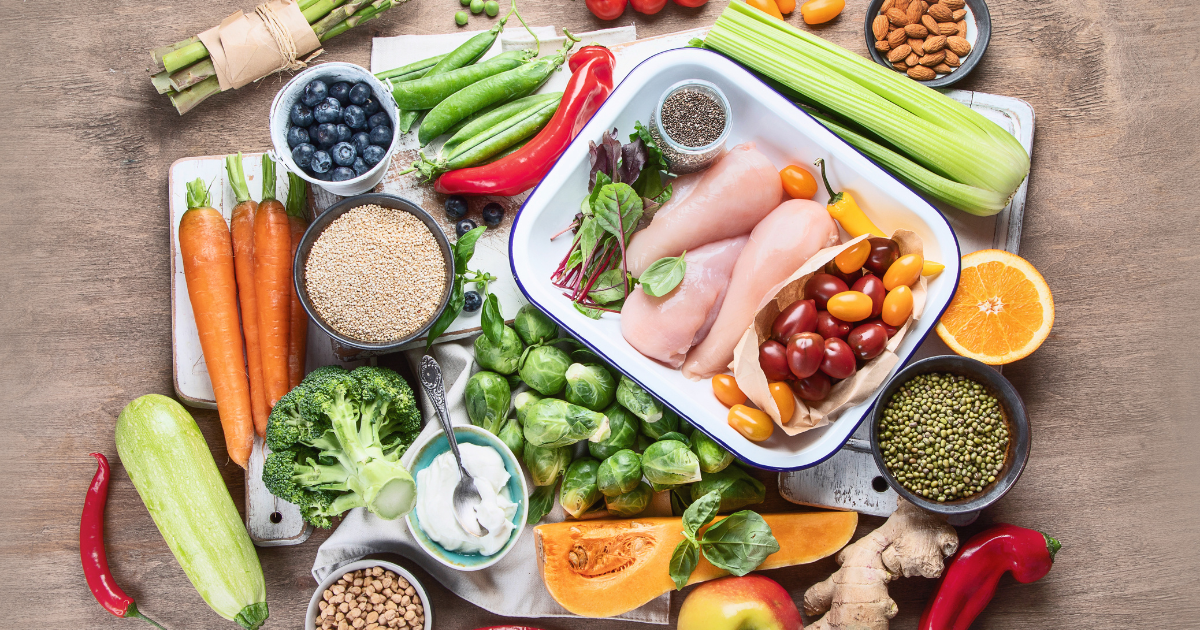
Chill the Inflammation
Too much inflammation can mess with mood. Some foods help calm things down. ?
- Salmon & sardines = Omega-3s for brain health
- Walnuts & chia seeds = Mood-boosting fats
- Colorful fruits & veggies = Brain protection power ?
Avoid the Sugar Rollercoaster
Big sugar spikes = crashes, grumpiness, and tired brains. Sugary snacks & processed foods can lead to mood swings and a tired brain. Sugary drinks offer a quick energy boost with a big crash later. Avoid those sugar slumps with the following:
- Oatmeal = Long-lasting fuel
- Whole-grain bread = No energy crashes
- Apple + peanut butter = Perfect energy combo
- Brown rice & quinoa = Brain-friendly fuel
- Fresh fruits & veggies = Sustainable energy
- Carbohydrates with protein = Fewer blood sugar spikes (Clementine + cheese stick) ?
Water for the Win
Not drinking enough water can make you tired, grumpy, and unfocused. Even mild dehydration can affect mood and concentration. Be sure to sip throughout the day!
The Mayo Clinic recommends that women drink at least 92 ounces of water per day (11.5 cups) and that men drink 124 ounces (15.5 cups). Here are some tips to reach that goal:
- Carry a water bottle
- Track your water intake
- Flavor water with lemon, limes, berries, etc.
- Order water when eating out
Give It Time
New habits take time to feel normal. Start with one small change, stick with it for a week or two, and then build from there. Slow, consistent changes are the ones that last. To read more about creating new habits that last, check out our blog post titled "Why Small Steps Beat Big, Drastic Changes".
If you don’t see an improvement in your mood and would like to speak with a therapist, our team of professionals is standing by to help. We offer in-person appointments at our Beulaville office and teletherapy sessions for anyone in North Carolina. Give us a call today or click the button below to use our convenient contact form.
Written by: Michelle Tanner, MSW, LCSW